Learn About Fire Protection and Security Systems
Fire Protection and Security Systems play a crucial role in safeguarding lives, property, and businesses. Whether it is a residential building, school, hospital, warehouse, factory, or corporate office, the risk of fire, theft, or unauthorized access is always present. With rapid urban development and increasing infrastructure in cities like Delhi and across India, the importance of modern fire and security systems has grown significantly.
This article explains what fire protection and security systems are, their types, components, working principles, and why they are essential for every property.
1. What Are Fire Protection Systems?
Fire protection systems are designed to detect, control, and extinguish fires at the earliest possible stage. Their primary goal is to minimize damage, prevent injuries, and save lives.
Fire protection systems are generally divided into two categories:
A) Active Fire Protection Systems
These systems actively respond when a fire occurs.
B) Passive Fire Protection Systems
These systems help contain fire and slow its spread without requiring activation.
2. Active Fire Protection Systems
🔥 Fire Alarm Systems
Fire alarm systems detect smoke, heat, or flames and alert occupants through sirens and visual alarms. Modern systems may also notify the fire department automatically.
Main components:
- Smoke detectors
- Heat detectors
- Manual call points
- Control panel
- Hooters / sirens
These systems are mandatory in commercial buildings, malls, hospitals, and factories.
🧯 Fire Extinguishers
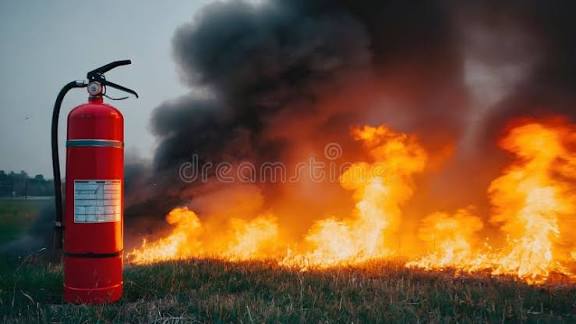
Fire extinguishers are portable devices used to put out small fires. Different types are used depending on the type of fire:
- Water Extinguisher – For solid materials (wood, paper)
- CO₂ Extinguisher – For electrical fires
- Foam Extinguisher – For flammable liquids
- ABC Powder Extinguisher – Multi-purpose
Proper training is essential to use extinguishers correctly.
💧 Fire Sprinkler Systems
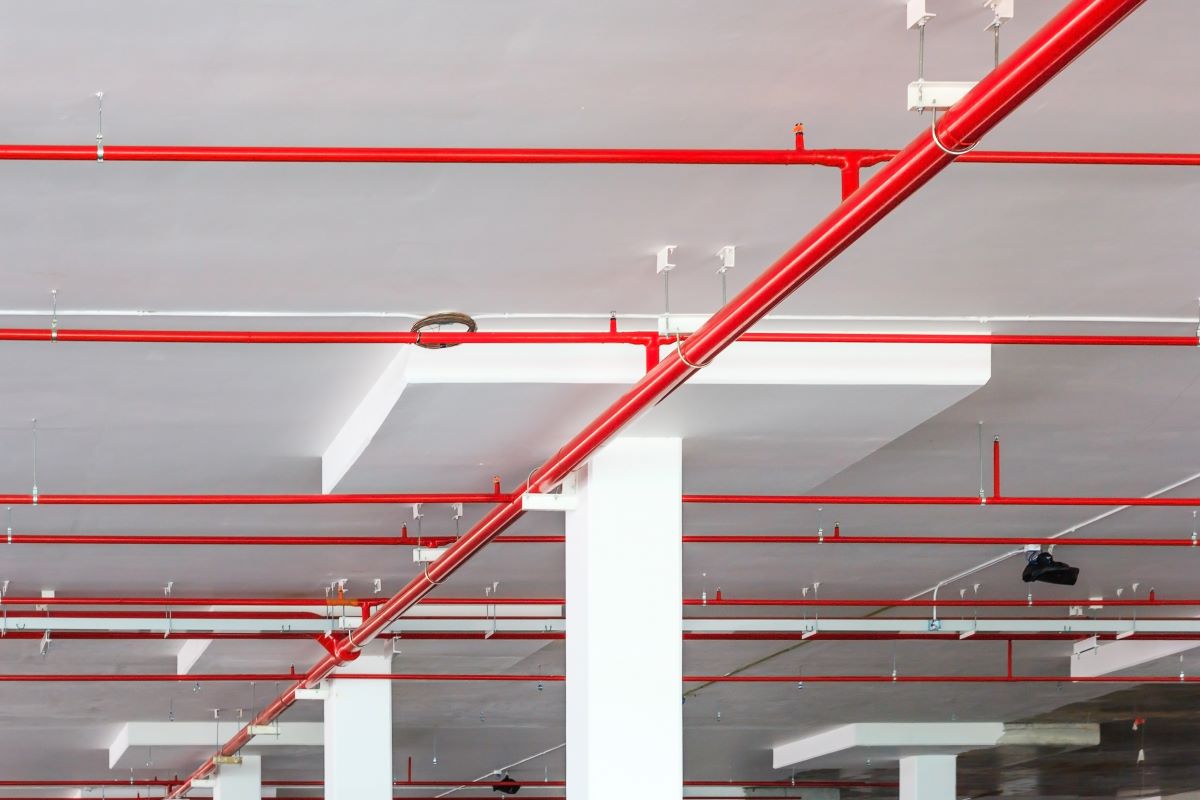
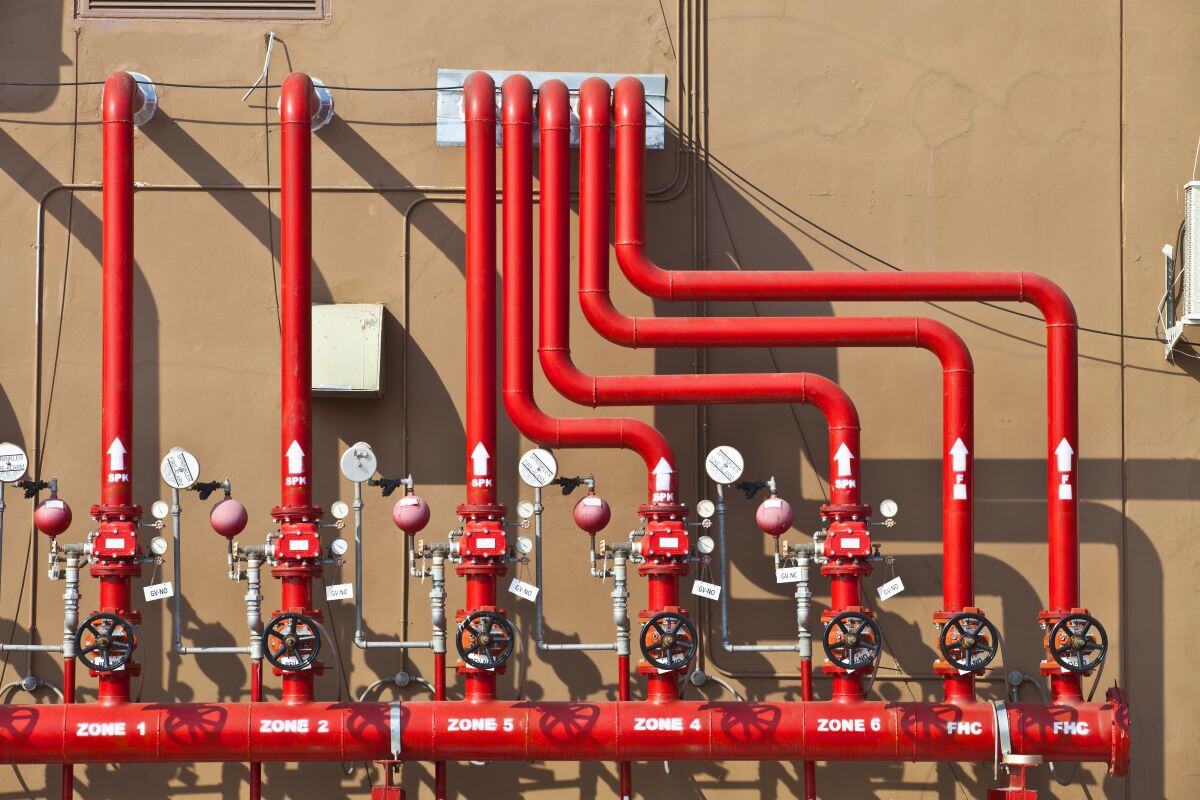
Sprinkler systems automatically release water when heat from a fire activates the sprinkler head. They are widely used in:
- Warehouses
- Hotels
- Offices
- Residential apartments
Sprinklers control fire before it spreads, reducing major damage.
🚒 Hydrant Systems
Fire hydrant systems provide a large water supply for firefighting teams. These include:
- Fire pumps
- Water storage tanks
- Hydrant valves
- Hose reels
Hydrant systems are commonly installed in industrial buildings and large complexes.
3. Passive Fire Protection Systems
Passive systems help slow down the spread of fire and smoke.
Examples include:
- Fire-resistant walls and doors
- Fire-rated glass
- Fire stopping materials
- Fireproof coatings
These systems give occupants more time to evacuate safely.
4. What Are Security Systems?
Security systems are designed to protect property from theft, vandalism, unauthorized access, and other threats. They ensure both physical and digital safety.
5. Types of Security Systems
📹 CCTV Surveillance Systems
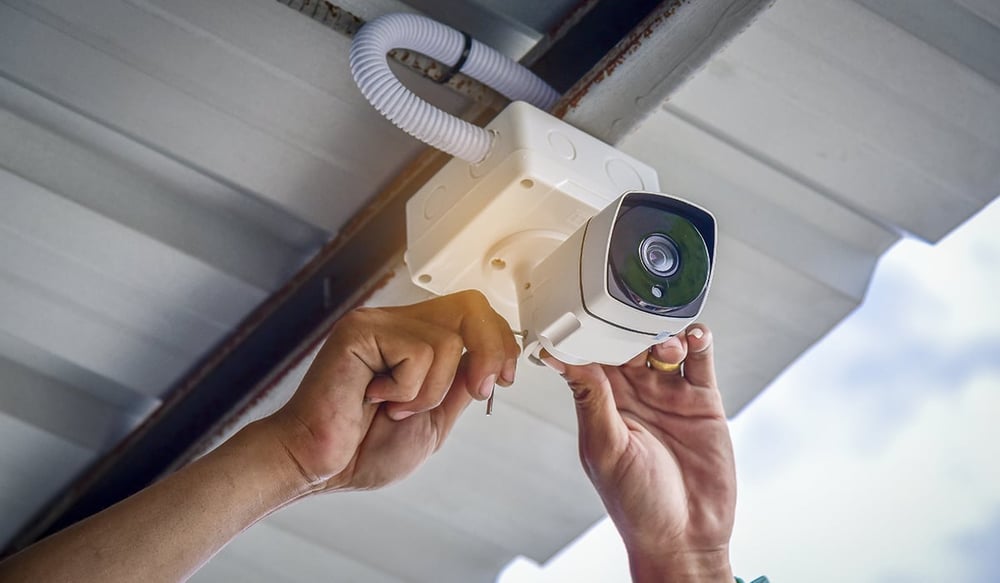

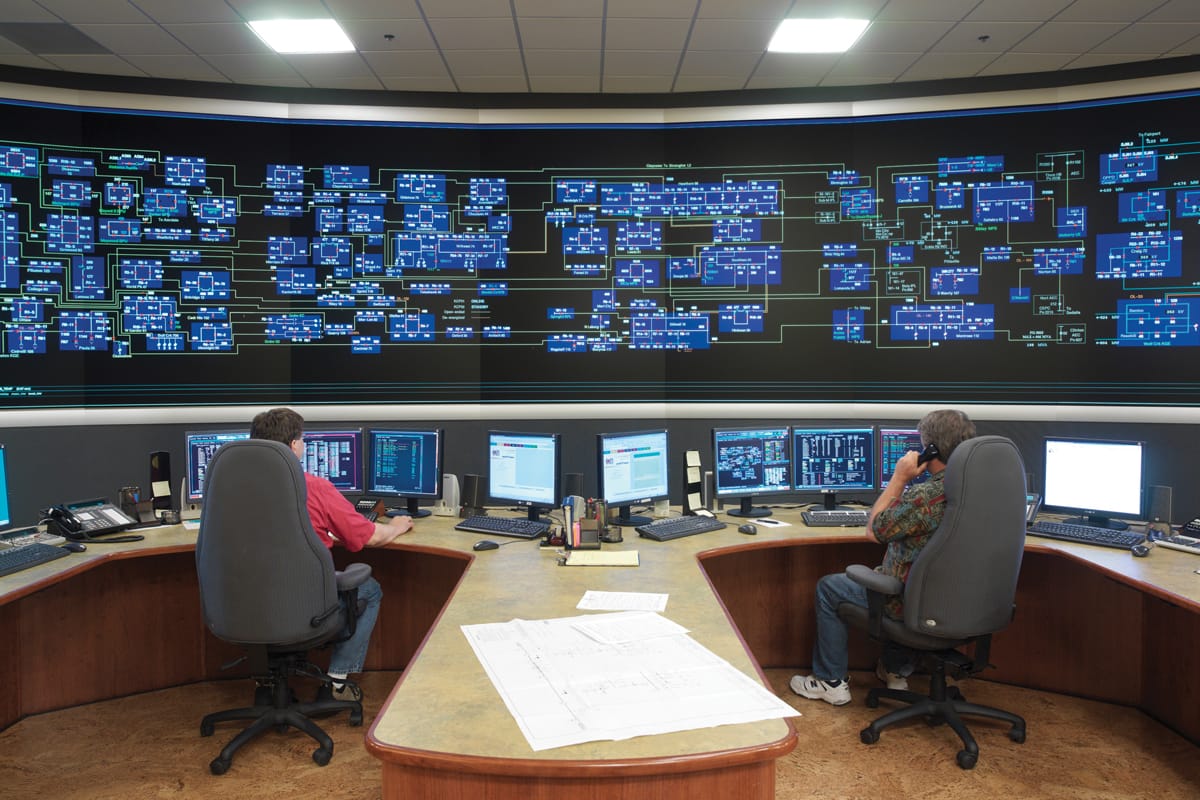
CCTV cameras monitor and record activities in and around a building.
Benefits:
- Crime prevention
- Evidence recording
- Remote monitoring
- Employee monitoring
Modern CCTV systems allow mobile viewing from anywhere.
🚪 Access Control Systems
Access control systems restrict entry to authorized individuals only.
Types:
- Biometric systems (fingerprint, face recognition)
- RFID card systems
- PIN-based entry systems
These are commonly used in offices, factories, and secure areas.
🔔 Intruder Alarm Systems
Intruder alarms detect unauthorized entry and trigger alerts. They use:
- Motion sensors
- Door/window sensors
- Glass break detectors
These systems are essential for banks, jewelry shops, warehouses, and homes.
🔐 Video Door Phones
Video door phones allow residents or office staff to see and communicate with visitors before granting access. They improve safety in residential apartments and villas.
6. Importance of Fire and Security Systems
1. Life Safety
The primary purpose of fire protection is to save lives. Early detection reduces casualties.
2. Property Protection
Fire and theft can cause massive financial losses. Systems minimize damage and insurance claims.
3. Legal Compliance
In India, many fire safety systems are mandatory under local municipal and fire department regulations.
4. Business Continuity
A fire incident can shut down operations for months. Proper systems ensure business stability.
5. Insurance Benefits
Properties with proper fire and security systems often get lower insurance premiums.
7. Integration of Fire and Security Systems
Modern buildings integrate both fire and security systems into a single centralized control panel. This is known as Building Management System (BMS).
Benefits:
- Central monitoring
- Quick response
- Automated alerts
- Better efficiency
Smart technology allows remote access and real-time monitoring.
8. Maintenance and Inspection
Installing systems is not enough. Regular maintenance is critical.
Maintenance includes:
- Monthly extinguisher checks
- Annual refilling
- Alarm testing
- Sprinkler inspection
- CCTV camera cleaning
Proper servicing ensures systems work during emergencies.
9. Future of Fire and Security Systems
Technology is evolving rapidly. The future includes:
- AI-based fire detection
- Smart smoke sensors
- Cloud-based CCTV storage
- IoT-enabled safety systems
- Automatic emergency notifications
Smart buildings are becoming the standard in modern cities.
Conclusion
Fire Protection and Security Systems are not optional—they are essential for every property. From small homes to large industrial complexes, proper safety measures protect lives, assets, and businesses. With increasing awareness and strict regulations, investing in reliable fire and security solutions is both a legal requirement and a responsible decision.
Understanding these systems helps property owners choose the right equipment and ensure proper maintenance. Whether you are a homeowner, business owner, or industrial operator, prioritizing fire and security safety is one of the most important investments you can make.